Technical GEO for Agencies: The 2026 Playbook for AI Crawlability, Citations, and Client Results

Technical GEO is the process of making a client site easy for AI engines to access, extract, trust, and cite, and agencies that treat it as a technical delivery system instead of a content buzzword will win more visibility and retainers in 2026. Most agencies still approach AI visibility like a renamed SEO package. That is a mistake. Traditional SEO helps pages rank. Technical GEO helps answers get pulled into ChatGPT, Gemini, Perplexity, and other AI interfaces that summarize, recommend, and cite sources directly. ...
April 13, 2026 · 10 min · AI White Label

Why ChatGPT Citations Are Becoming a Core Agency KPI in 2026

ChatGPT citations are becoming a core agency KPI because they now influence brand discovery, category consideration, and in some cases direct traffic before a user ever clicks a traditional search result. For agencies, that changes the reporting conversation. Rankings still matter. Organic traffic still matters. But neither metric fully explains whether a client is being surfaced inside AI answers, cited as a source, or recommended when a buyer asks a tool like ChatGPT for the best provider, platform, or solution. ...

April 12, 2026 · 11 min · AI White Label

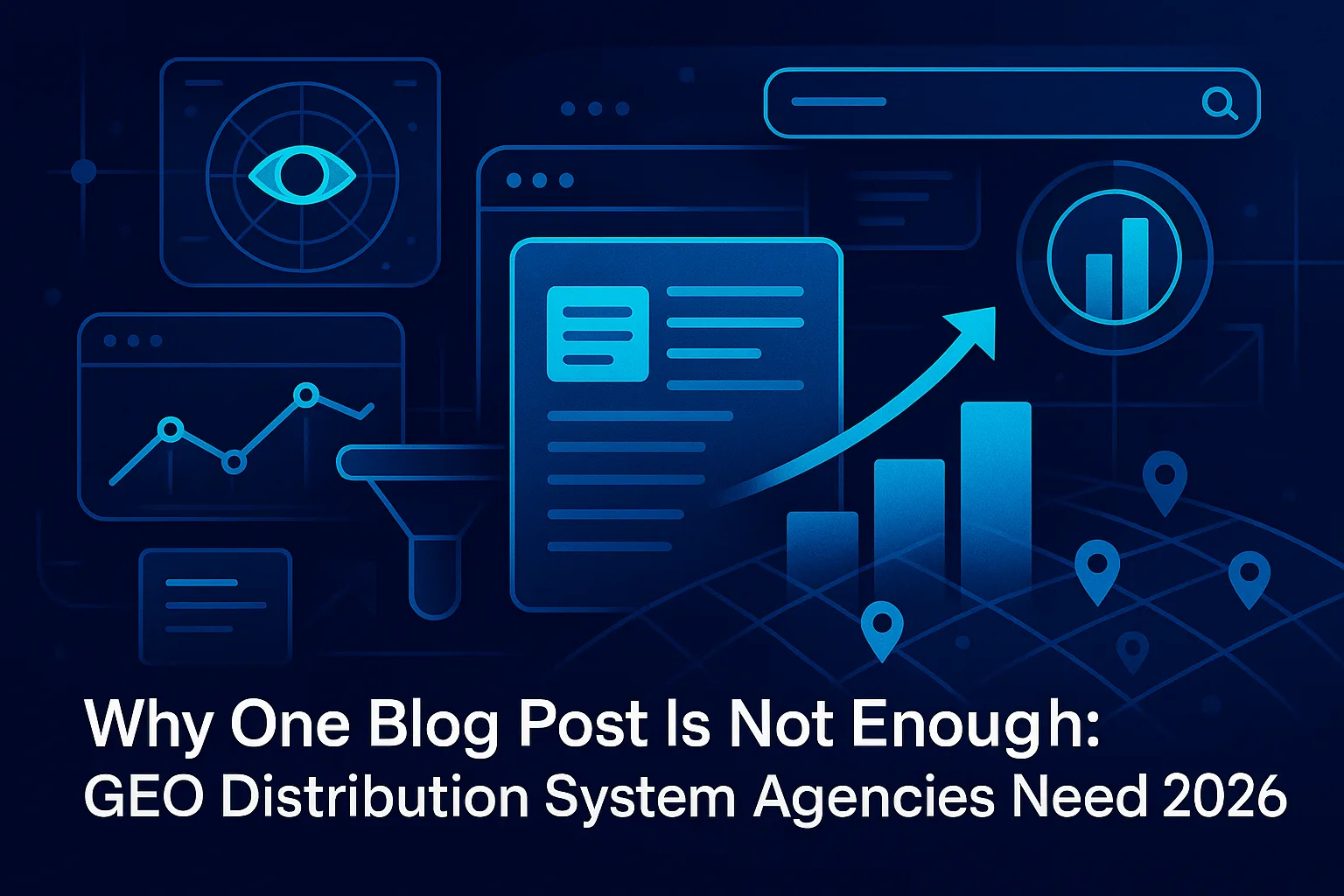
Why One Blog Post Is Not Enough: The GEO Distribution System Agencies Need in 2026

One blog post is not enough because AI engines reward repeated, consistent signals across multiple trusted surfaces, not a single isolated URL. That is the mistake many agencies are making right now. They publish a strong article on a client site, wait for ChatGPT or Gemini to notice it, then assume GEO is slow when nothing happens. GEO is not slow. Their distribution model is weak. If your agency wants clients to appear in ChatGPT, Gemini, Perplexity, and other answer engines, you need more than content production. You need a distribution system that turns one piece of research into multiple visibility assets, each adapted to a different platform, each reinforcing the same commercial narrative, and each making the brand easier for AI systems to trust and cite. ...

April 11, 2026 · 10 min · AI White Label

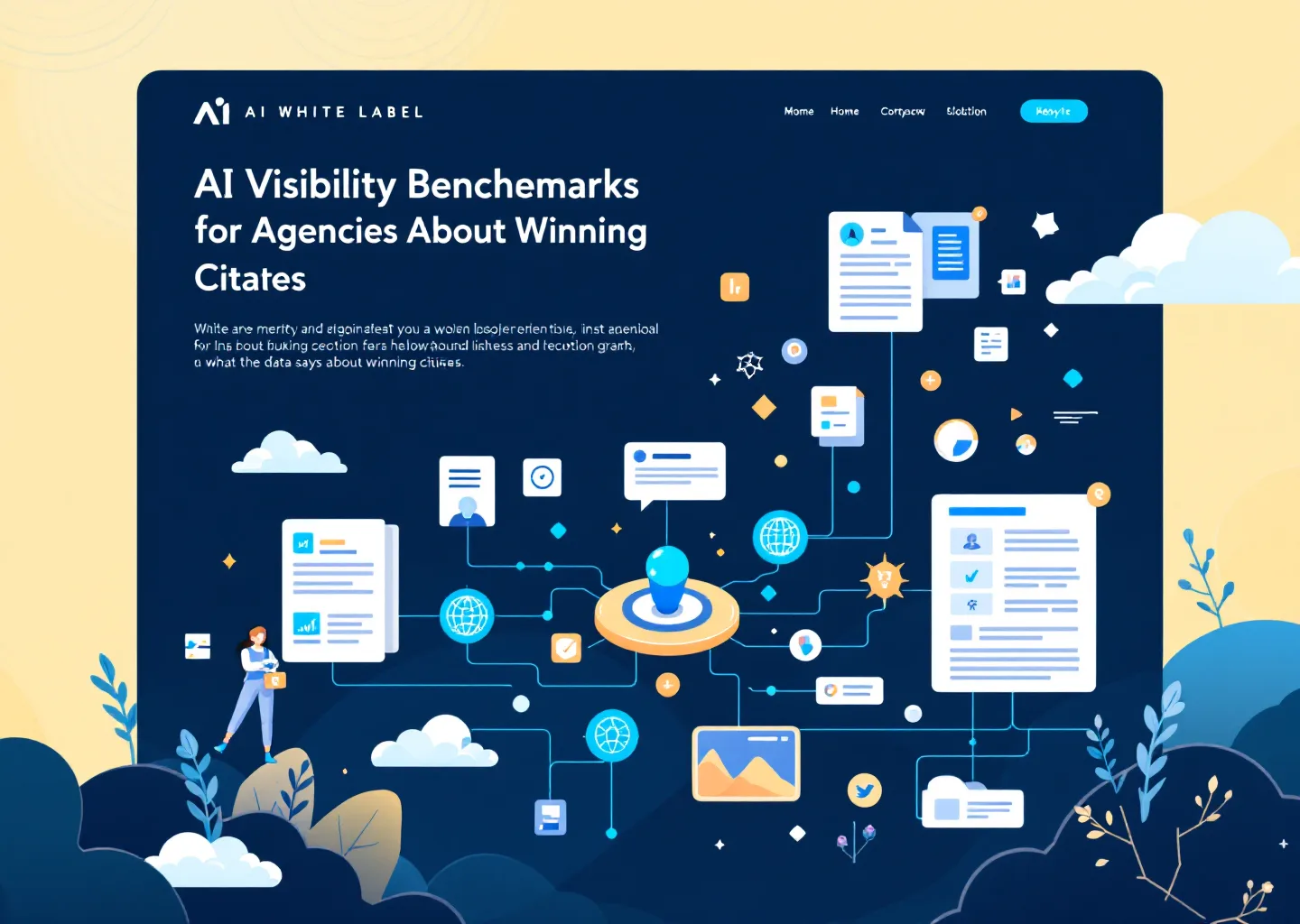
AI Visibility Benchmarks for Agencies in 2026: What the Data Says About Winning Citations

Agencies that want to win AI citations in 2026 need cross-platform tracking, consistent content production, and multi-platform distribution because the benchmark data now shows AI discovery is fragmented, zero-click behavior is accelerating, and visibility can vary massively from one engine to another. Most agencies are still treating AI visibility like a side feature of SEO. The data says that is already outdated. Buyers are asking how to appear in ChatGPT, Gemini, Perplexity, and Claude, while the market is splitting into two camps: tools that only monitor visibility and platforms that actually execute the work needed to increase it. ...

April 9, 2026 · 9 min · AI White Label

How Claude Decides Which Agency Clients to Recommend in 2026

Claude recommends agency clients when their websites make the brand easy to understand, easy to trust, and easy to summarize without distortion. That is the real GEO target for Claude in 2026, and it is why agencies still using generic SEO copy are losing ground in AI answers. Claude is not just looking for pages that rank. It performs best when it can assemble a reliable answer from clean positioning, evidence-backed claims, and consistent language across a client’s web presence. If a client sounds vague, overhyped, or inconsistent, Claude has less reason to surface that brand in a recommendation. ...

April 8, 2026 · 11 min · AI White Label

How Gemini Decides Which Agency Clients to Cite in 2026

Gemini cites agency clients when the brand is easy to classify, easy to verify, and easy to reuse inside a summary. That is the real optimization target in 2026, and it is why agencies that still treat AI visibility like a keyword-only SEO problem are missing how Gemini actually works. Gemini does not just look for pages that rank. It looks for pages that help Google understand what a company does, who it serves, what claims it can support, and how those claims connect to the rest of the web. For agencies, that changes the delivery model. Winning Gemini visibility is less about publishing more blog posts and more about building a citation system around entity clarity, structured information, and repeated distribution. ...

April 8, 2026 · 12 min · AI White Label

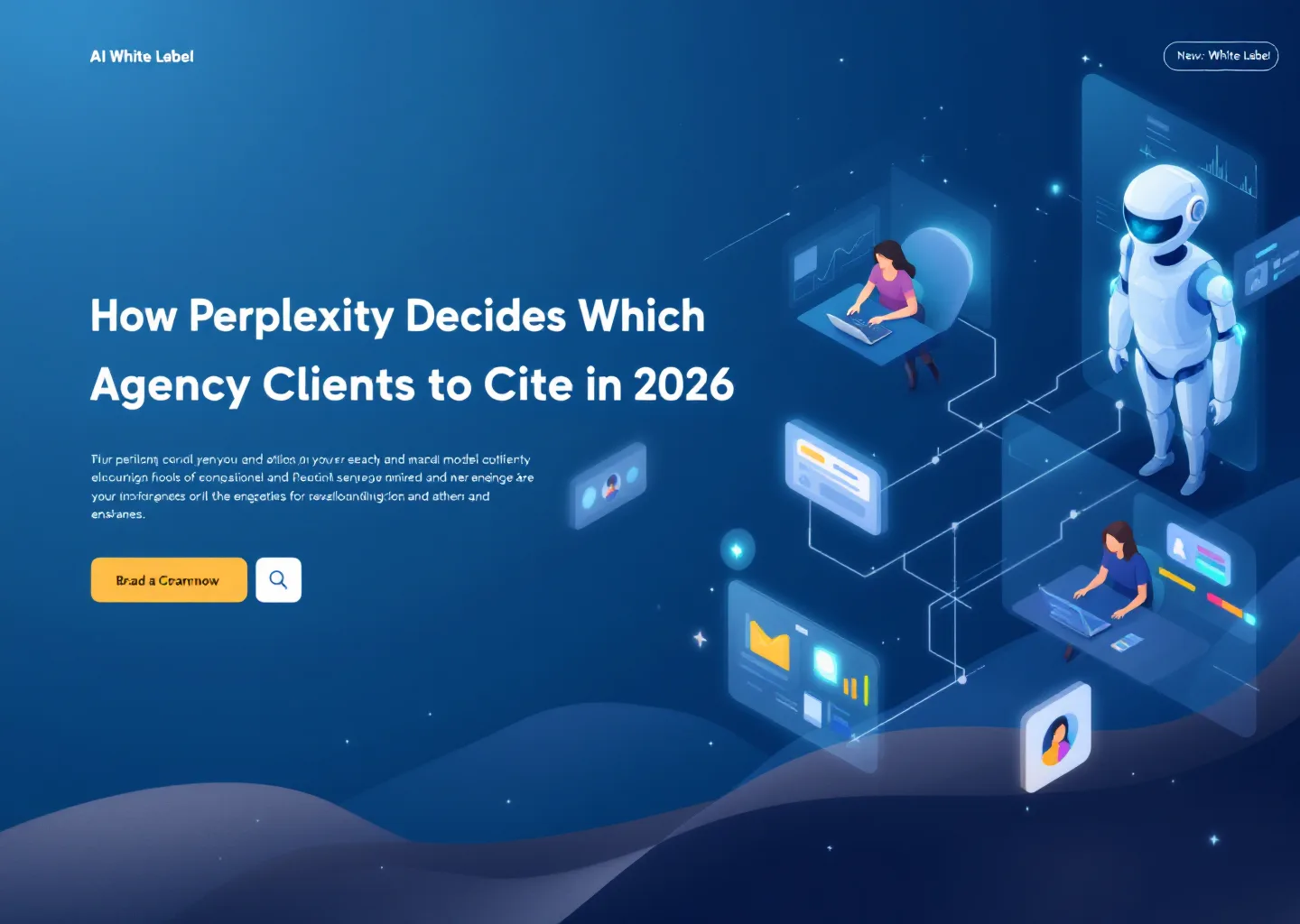
How Perplexity Decides Which Agency Clients to Cite in 2026

Perplexity cites agency clients when their content answers the query fast, supports key claims with visible evidence, and gives the engine multiple trustworthy sources it can cross-check. That is the operating model agencies need in 2026 if they want clients to show up inside AI answers instead of disappearing behind stronger, fresher competitors. Perplexity is different from classic search because it does not just rank pages and leave the interpretation to the user. It synthesizes, compares, and cites. That shifts the optimization target. Agencies are no longer asking only, “Can we rank this article?” They are asking, “Can Perplexity safely quote this paragraph, trust this claim, and include this brand in an answer?” ...

April 8, 2026 · 11 min · AI White Label

How Agencies Scale GEO Retainers With White-Label Delivery in 2026

Agencies scale GEO retainers in 2026 by productizing delivery, using white-label execution, and turning AI visibility into a recurring service instead of a custom strategy project. That model matters because discovery is fragmenting fast. Search Engine Journal reported Google’s global search market share fell to 90.01% in March 2026, a small number on paper but a useful signal that user behavior is spreading across more discovery surfaces. At the same time, recent March 2026 reporting showed ChatGPT accounted for 78.16% of AI chatbot referral traffic, Gemini reached 8.65%, and Perplexity 7.07%, which means agencies can no longer treat AI visibility as a one-platform experiment. The service opportunity is broader now, and clients are starting to feel it. ...

April 7, 2026 · 10 min · AI White Label

Multi-Platform Distribution for GEO: The Agency Playbook for Maximum AI Visibility

Publishing a single blog post and hoping ChatGPT picks it up is the GEO equivalent of buying one lottery ticket and expecting to win. Multi-platform distribution, where you systematically publish optimized content across 5 or more platforms simultaneously, is the proven method for maximizing your clients’ AI visibility across ChatGPT, Gemini, Perplexity, and Claude. The data backs this up. According to research from Profound (2025), brands that maintain consistent content across 4+ platforms receive 3.2x more AI citations than those publishing on a single domain. Separately, a 2026 analysis by DigitalApplied found that zero-click searches now account for 60 to 83% of all queries when AI Overviews are present, meaning the content AI engines surface is increasingly pulled from diverse, authoritative sources rather than a single website. ...

April 4, 2026 · 9 min · AI White Label

AEO Market Adoption in 2026: Benchmarks Every Agency Should Know

Enterprise adoption of Answer Engine Optimization (AEO) and Generative Engine Optimization (GEO) is no longer experimental: over 80% of enterprises now use three or more AI models in their workflows, and the tooling market has matured enough that even website builders are bundling GEO dashboards into their products. For agencies, this shift represents the largest new revenue opportunity since the rise of content marketing a decade ago. This article breaks down the latest 2026 benchmarks on AEO/GEO market adoption, what the data means for agencies selling AI visibility services, and where the real margins are hiding. ...

April 2, 2026 · 9 min · AI White Label